
Prescribing medicinal cannabis in Australia has become increasingly common. However, this area requires caution, clinical knowledge, and strict adherence to regulatory guidelines. As access to medicinal cannabis expands and the range of available therapeutic goods continues to grow, clinicians play a more important role than ever in ensuring safe, appropriate, and compliant patient care.
Despite their best intentions, some medical practitioners make avoidable mistakes that can affect patient outcomes, compromise regulatory compliance, and place their professional reputation at risk. Understanding these common pitfalls is the first step towards improving prescribing practices. Below, we explore the most common mistakes clinicians make when prescribing medicinal cannabis and, more importantly, how to avoid them.
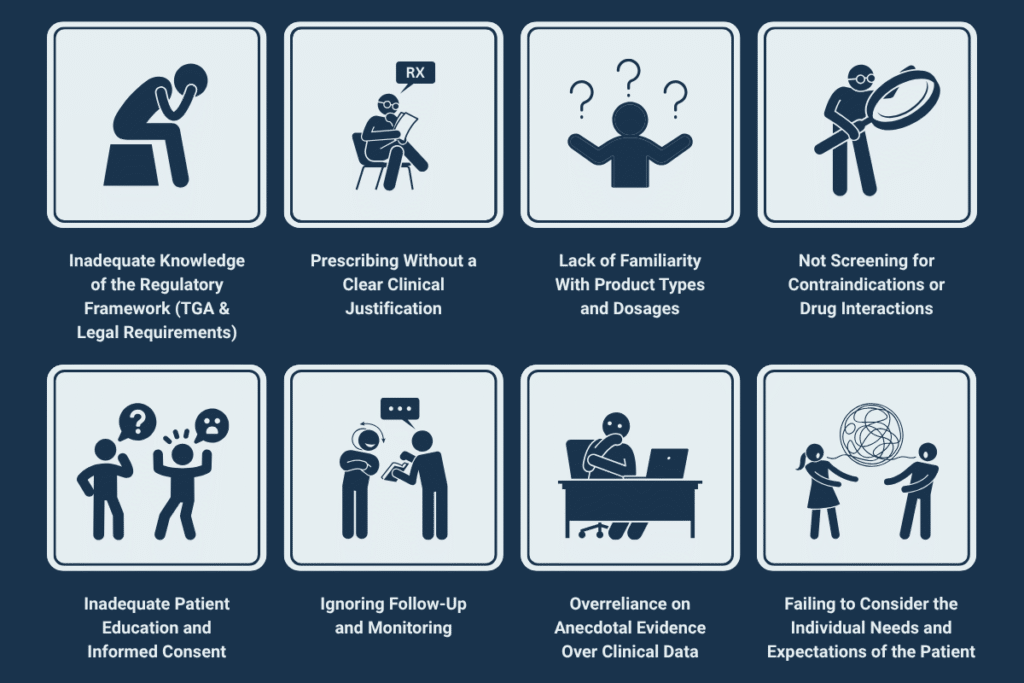
Many clinicians underestimate the importance of staying current with Therapeutic Goods Administration (TGA) requirements. However, the TGA closely regulates medicinal cannabis prescribing in Australia, including access pathways such as the Special Access Scheme (SAS) and the Authorised Prescriber Scheme. Failing to keep up with regulatory changes can increase compliance risks and create unnecessary barriers to patient access.
Avoid this mistake by:
One of the most common prescribing mistakes is recommending medicinal cannabis without thoroughly assessing whether conventional treatment options have been explored. In many cases, clinicians should consider medicinal cannabis only after standard therapies have proven ineffective, unsuitable, or poorly tolerated. A comprehensive clinical assessment helps support informed decision-making and appropriate patient care.
Avoid this mistake by:
Medicinal cannabis products vary significantly in their cannabinoid composition, formulation, and potential therapeutic effects. Some products contain cannabidiol (CBD), others contain tetrahydrocannabinol (THC), while some combine both cannabinoids. Selecting an unsuitable product or prescribing an inappropriate dose can increase the risk of adverse effects and reduce the likelihood of achieving the desired therapeutic outcome.
Avoid this mistake by:
Medicinal cannabis may interact with other medications, including anticoagulants and antidepressants, and may not be appropriate for every patient. Certain clinical factors, such as a history of psychosis, cardiovascular conditions, or substance use disorders, require careful consideration before initiating treatment. Conducting a comprehensive patient assessment helps clinicians identify potential risks and make informed prescribing decisions.
Avoid this mistake by:
Patient education is a critical part of safe and responsible medicinal cannabis prescribing. Patients need to understand the potential benefits, risks, and broader implications of treatment, including legal considerations around driving, workplace drug testing, and possible side effects. Clear communication helps patients make informed decisions and supports better treatment outcomes.
Avoid this mistake by:
Medicinal cannabis treatment requires ongoing clinical oversight and should never be considered a “set-and-forget” prescription. Patient responses can change over time, and without appropriate monitoring, patients may experience unmanaged side effects, misuse treatment, or discontinue therapy without medical guidance. Regular follow-up ensures treatment remains safe, effective, and aligned with patient needs.
Avoid this mistake by:
While patient experiences and peer discussions can provide valuable insights, they should not replace evidence-based clinical decision-making. Clinicians should base medicinal cannabis prescribing decisions on high-quality research, clinical guidelines, and trusted healthcare resources rather than anecdotal evidence alone.
Avoid this mistake by:
For example, research from the Australian Institute of Health and Welfare (AIHW) has highlighted the growing use of prescribed medicinal cannabis in Australia, with tens of thousands of patients accessing treatment through legal pathways. Patient-reported outcomes have also indicated perceived improvements in areas such as chronic pain and anxiety symptoms, although ongoing research continues to evaluate its effectiveness across different conditions.
Patients may have different expectations and perceptions about medicinal cannabis and its potential effects. Some may anticipate immediate results or hold misconceptions about how the treatment works. Setting realistic expectations from the beginning helps patients better understand their treatment journey and supports more effective clinical outcomes.
Avoid this mistake by:
Prescribing medicinal cannabis in Australia offers significant opportunities to support patient care, but it also requires a careful, evidence-based approach. By avoiding these common pitfalls, clinicians can improve patient outcomes, maintain regulatory compliance, and contribute to the growing credibility of medicinal cannabis within modern healthcare.
At The Compendium, we empower clinicians with evidence-based resources, expert insights, and continuing medical education designed to support safe, informed, and compliant medicinal cannabis prescribing.
Ready to strengthen your prescribing confidence? Register your interest today to access trusted clinical resources, professional tools, and ongoing educational support.