Under Australian law, suppliers of therapeutic goods must maintain thorough documentation of product quality. Quality extends beyond manufacturing controls to include labelling, traceability and product information. Therefore, the TGA expects suppliers to actively manage these areas to ensure compliance and patient safety.
Quality labels prevent confusion and ensure safe use. The Therapeutic Goods (Labelling) Orders (TGO 91/92) set mandatory labelling requirements. As a supplier, you must ensure every product label follows those rules. For example, include the medicine name, active ingredients, batch number, expiry date and storage conditions. Always show the sponsor’s (or distributor’s) name and address.
Each time you print labels, do a final check. For instance, confirm that batch and expiry numbers are correctly placed and formatted. If a product is intended “For practitioner dispensing only”, ensure you meet the specific labelling conditions in TGO 92 (e.g. including the phrase “For Practitioner Dispensing Only” if applicable). By carefully reviewing labels against regulations, you prevent regulatory breaches and help protect consumers.
Traceability means you can track each product batch through the supply chain. This is vital for quality control and recalls. You must record key production identifiers (batch/lot numbers, serial numbers, expiry dates) for every shipment. The TGA explicitly requires sponsors to keep records of these identifiers. This ensures that if a product recall or safety action is needed, you can quickly identify affected batches.
By organising product data and shipment records, you can isolate issues swiftly and address them before they escalate. Traceability builds trust in your supply chain and supports compliance with the TGA’s market action procedures.
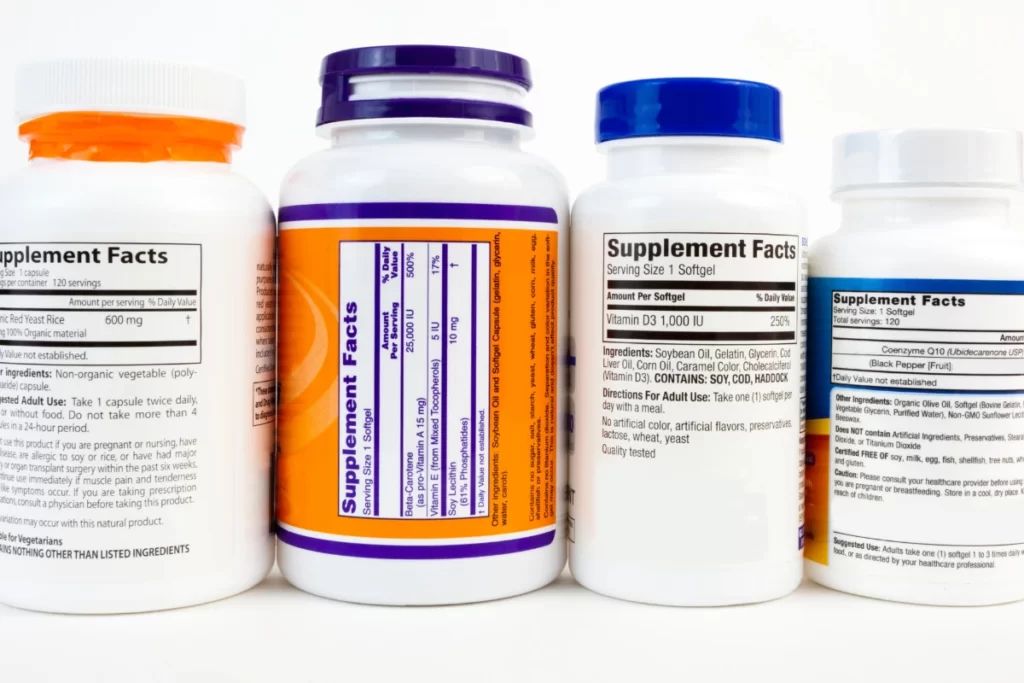
Accurate product information is part of quality. This includes the technical documents you keep internally and the information you provide to end users. Suppliers must ensure that all product information is up to date, clear and compliant. For instance, if new safety or usage information arises, update your documents promptly. The TGA requires sponsors to update product labels and information leaflets with new safety data in a timely way.
Good product information also means avoiding promotional claims on labels or literature unless specifically approved. Always stick to approved indications and language. By actively managing product information, you support compliance and help healthcare professionals and patients use the products safely.
Overall, the TGA’s quality framework holds suppliers accountable for more than just GMP. You must implement a quality system that covers labelling accuracy, supply-chain traceability and information management. Firstly, establish clear processes and checklists for labelling each product. Next, use inventory and ERP systems to log batch data at every step. Additionally, schedule regular reviews of your product information against the latest regulations.
By following these steps, you build a strong quality culture. Remember, keeping product labelling correct and complete, tracking every batch, and maintaining up-to-date product information are all as crucial as manufacturing quality. This comprehensive approach meets TGA requirements, helps avoid regulatory issues and ultimately protects patient health.
“*” indicates required fields
PRIVACY COLLECTION NOTICE
This Privacy Collection Notice describes how PHENIX HEALTH PTY LTD (ABN 22 607 822 266) (we, us or our) collects and handles your personal information when you make an enquiry with us. We collect personal information from you so that we can respond to your enquiry and for related purposes set out in our Privacy Policy, available on our website (or on request).
We may disclose this personal information to third parties, including our personnel, related entities, any third parties engaged by us and acting on our behalf and as otherwise set out in our Privacy Policy.
We store personal information in Australia. Where we disclose your personal information to third parties, those third parties may store, transfer or access personal information outside of Australia.
If you do not provide your personal information to us, it may affect our ability to do business with you.
Please see our Privacy Policy for more information about how we collect, store, use and disclose your personal information, including details about overseas disclosure, access, correction, how you can make a privacy-related complaint and our complaint-handling process.
If you have questions about our privacy practices, please contact us by email at: info@thecompendium.health. By providing your personal information to us, you agree to the collection, use, storage and disclosure of that information as described in this privacy collection notice.