
A patient walks into your clinic, asking about a medicinal cannabis product they spotted online. They want to know if it works, if it’s safe, and whether you can prescribe it. For clinicians, moments like these highlight the importance of staying across the latest medicinal cannabis developments.
In this article, we explore the most recent guidelines, regulatory changes, and research findings, giving you the practical insights needed to make confident, evidence-based decisions in your daily practice.
Australian regulators have recently issued new guidance to ensure safe prescribing of cannabis-based medicines. Australian Health Practitioner Regulation Agency (AHPRA) now explicitly warns that medicinal cannabis is a Schedule 8 controlled drug and should be treated like opioids, with patient safety as the priority.
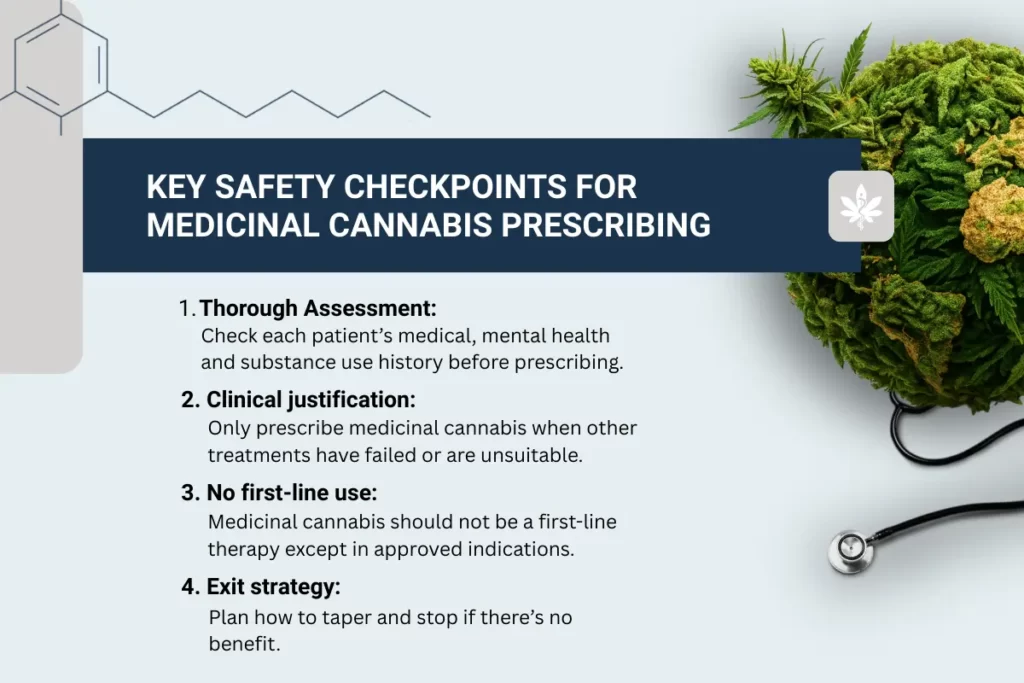
The Australian Medical Association has welcomed these updates. It noted that new direct-to-consumer telehealth models had led to a surge in Schedule 8 prescription patient safety risks. In practice, always document your decisions, coordinate care with other providers, and put patients’ well-being above profit.
Clinical evidence for medicinal cannabis is growing but still limited. A large 2025 Australian study (the QUEST Initiative) found chronic patients maintained improvements in pain, sleep, fatigue, anxiety, depression and overall quality of life over 12 months. However, AHPRA notes “little evidence” supports cannabis use outside a few specific conditions (childhood epilepsy, chemotherapy nausea, MS pain, etc.). In other words, base prescribing on solid evidence and established guidance. Some key points for clinicians:
Telehealth has changed how patients access medicinal cannabis, and regulators are watching closely. Some online clinics use targeted questionnaires that effectively “coach” patients toward cannabis prescriptions, sometimes with minimal consultation. AHPRA and the Boards are concerned about models that prioritise profit over patient care. Good remote practice should:
Always “consult with patients, evaluate their health and recommend care based on clinical evidence”, whether in person or online. For digital support, clinician-only resources like The Compendium can help you compare products and review evidence before prescribing.
Keep an eye on TGA and policy developments that affect cannabis prescribing. Most available cannabis products are unapproved; they haven’t been assessed by the Therapeutic Goods Administration (TGA) for safety or quality. Notable updates include:
By staying informed about scheduling rules (e.g. cannabis/THC = Schedule 8) and new policies, clinicians can navigate the evolving landscape safely.
Navigating all these updates is easier with the right tools. For example, The Compendium is a clinician-only platform that compiles up-to-date medicinal cannabis product information and guidance. It lets prescribers compare products by cannabinoid content, dosage form and indication.
For instance, you can quickly see how different CBD THC ratios and formulations suit particular patients. Using this resource helps ensure your prescribing is evidence-based and compliant.
Key features include:
In sum, clinicians who use comprehensive resources like The Compendium can prescribe medicinal cannabis with greater confidence, safety and up-to-date knowledge.
Australia’s medicinal cannabis field is evolving rapidly with new research and tighter regulations. By staying informed on emerging developments, guidelines, clinical evidence, telehealth trends and TGA updates, health professionals can provide safe, evidence-based care.
The Compendium provides a valuable evidence-based platform to keep clinicians updated on product knowledge and prescribing guidelines. With practical tools and up-to-date product comparisons, it supports confident, compliant prescribing.
Register on The Compendium today to access the most comprehensive medicinal cannabis database available to Australian health professionals.